

No products in the cart.
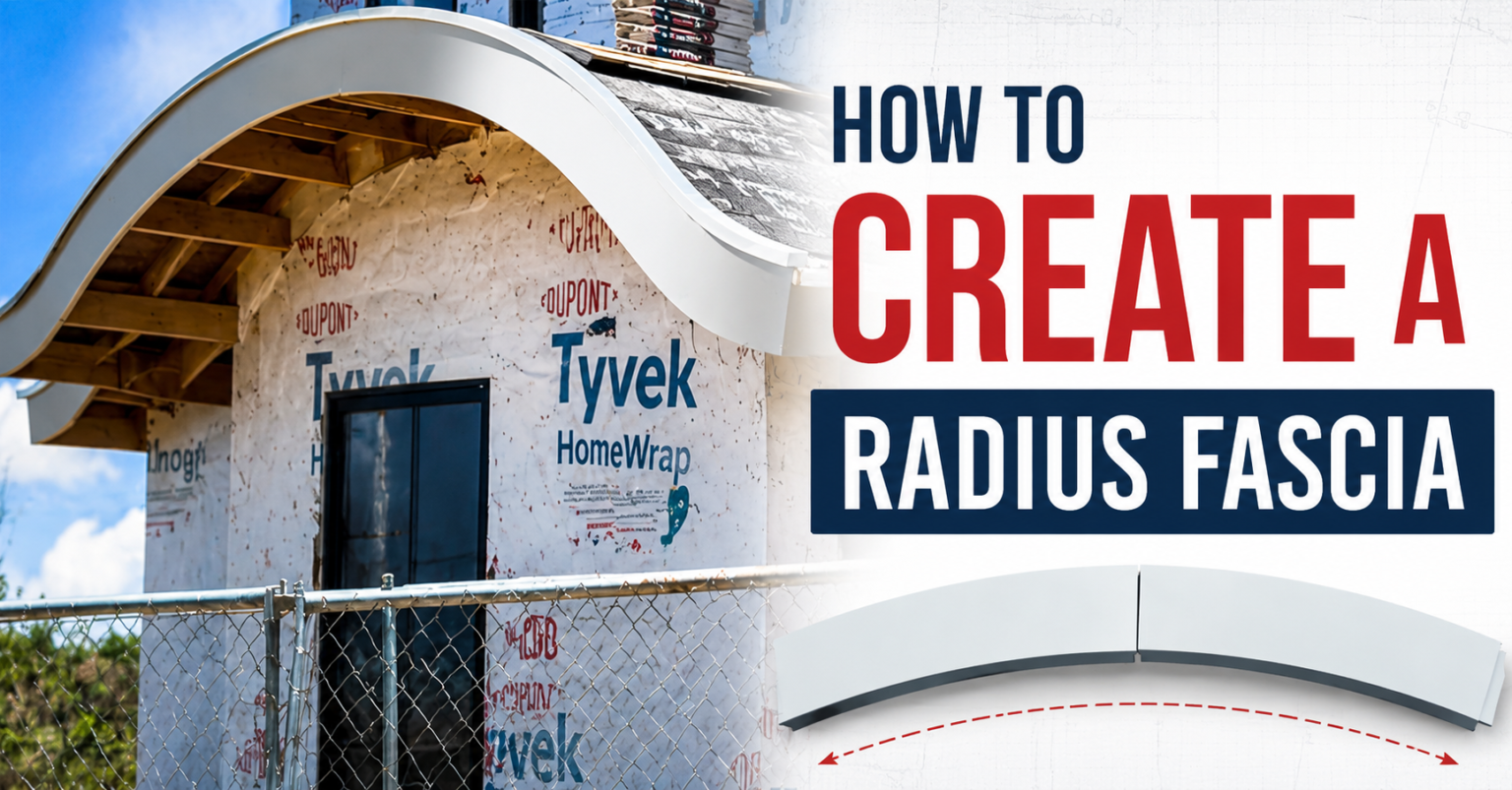
How to Fabricate Radius Fascia Metal with Hand Tools
Introduction
Radius fascia work can be intimidating because standard straight fascia techniques don’t easily translate to curved surfaces. However, with a few hand tools and an understanding of metal bending, you can create clean professional-looking radius fascia by using the technique below. This technique shows great on residential projects and adds a nice custom look to any home.
Below, we walk through the process of fabricating radius fascia metal using hand tools, a roll bender, and a brake.

This example shows the joining technique on a straight fascia.
Understanding the Project
Creating a template for the radius you are working on is a MUST. Usually this can be done by tracing the radius onto cardboard and taking measurements on how wide the fascia is. The type of metal is also important to understand. Natural metals like copper, aluminum, & zinc are easier to form into curves and take to shrinking and stretching better than steel and stainless steel. Metal will react much more favorable to bending on curves if it is thinner as well.
Things you should consider:
- Radius size and consistency
- Metal type and thickness
- Finished fascia width
- Attachment method
- Number of segments required

Tools and Materials Used
Hand Tools
- Sheet Metal Snips
- Marker or scribe & cardboard for template
- Roll bender
- Bending Brake
Forming Equipment
- Roll bender
- Sheet metal brake
Step 1: Layout and Cut the Radius Segments
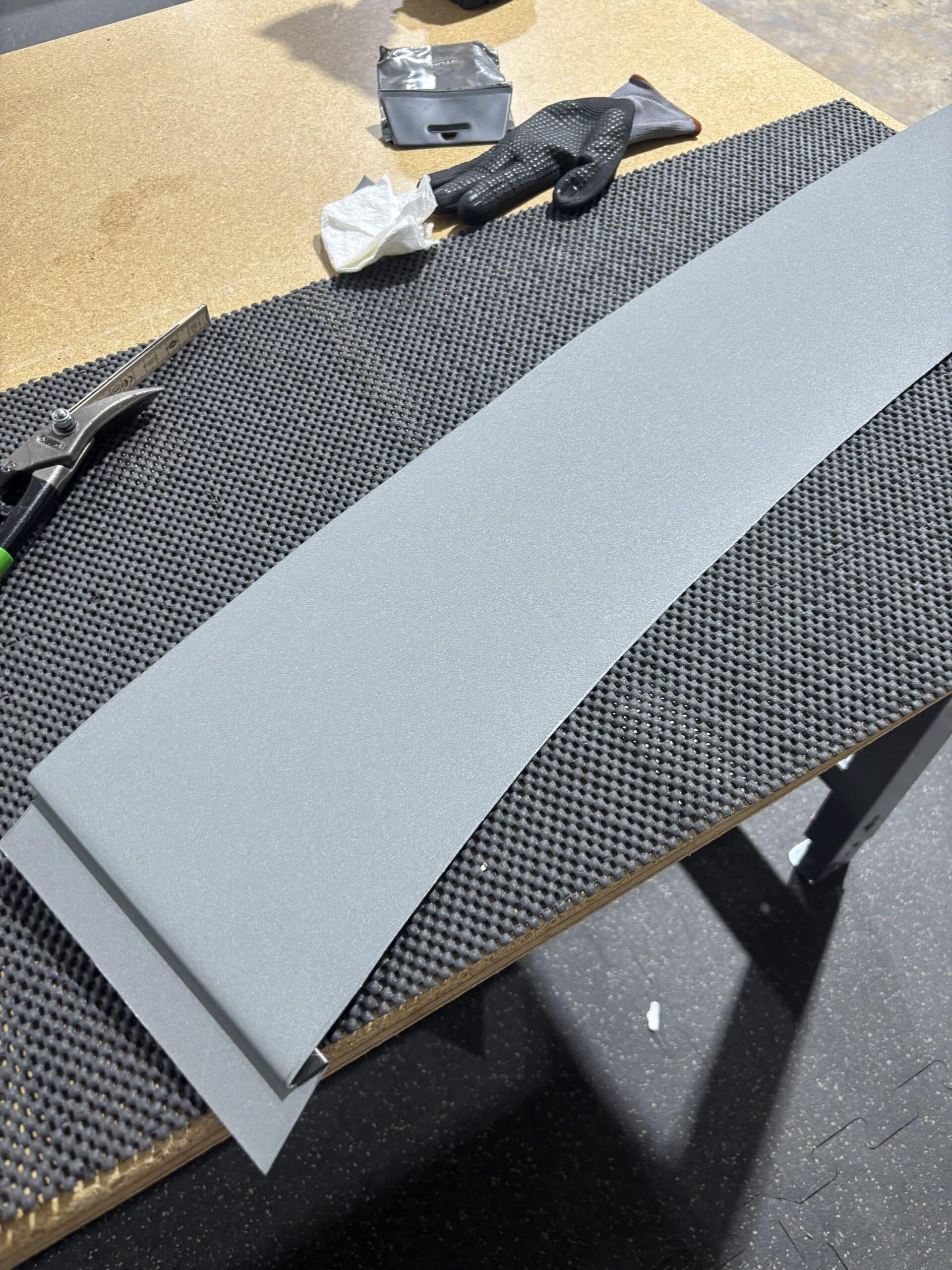
Fabricating a continuous piece to conform to the radius would be particularly difficult. Instead, we break the curved pieces up and form the fascia in sections. It is important to measure the section and determine how many pieces you will need to form. Sometimes these pieces will all be exactly the same size and other times you may alter the sizing for aesthetics.
Once the size and qty of pieces is determined, lay out the radius from the template and cut your metal. You will need to allow extra material for the flange bends (wraps) on the top and bottom of the facia.
Tips:
- Ensure cut edges are smooth so the roll bender can form the flange on a curve.
- Test-fit frequently as you work.


Step 2: Create the Connecting Hem in the Brake
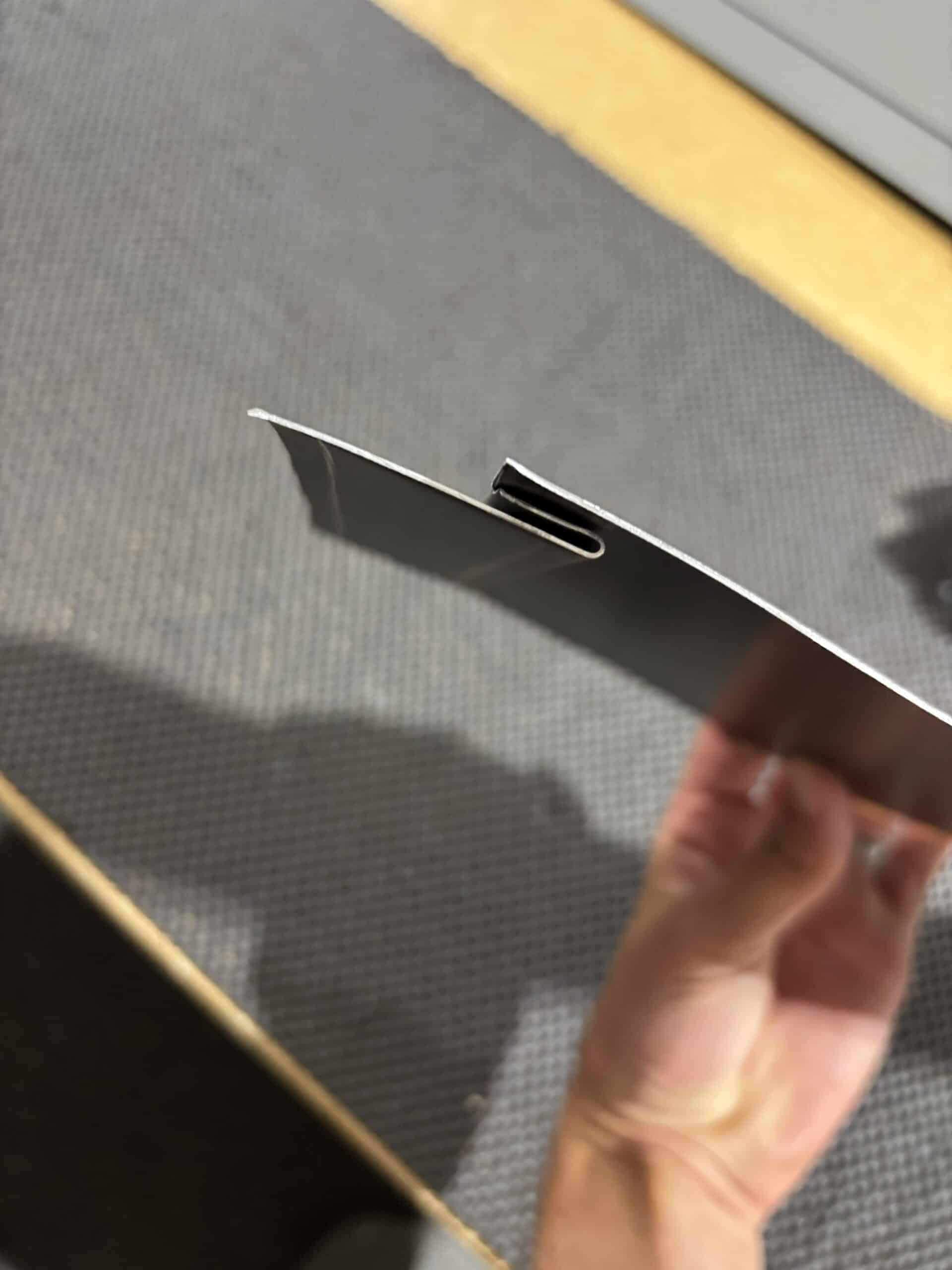
To join multiple fascia sections together, a connecting hem is formed using a brake. The flange you are creating will be what gets fastened directly to the fascia board. Using this method of multiple pieces is ideal because it will prevent waviness in the metal from expansion and contraction. This “sliding connection” method keep the metal from warping.
This hem provides:
- A cleaner appearance
- A fastening point that gets hidden
- A secure method for connecting segments



Step 3: Form the Edge Using a Roll Bender
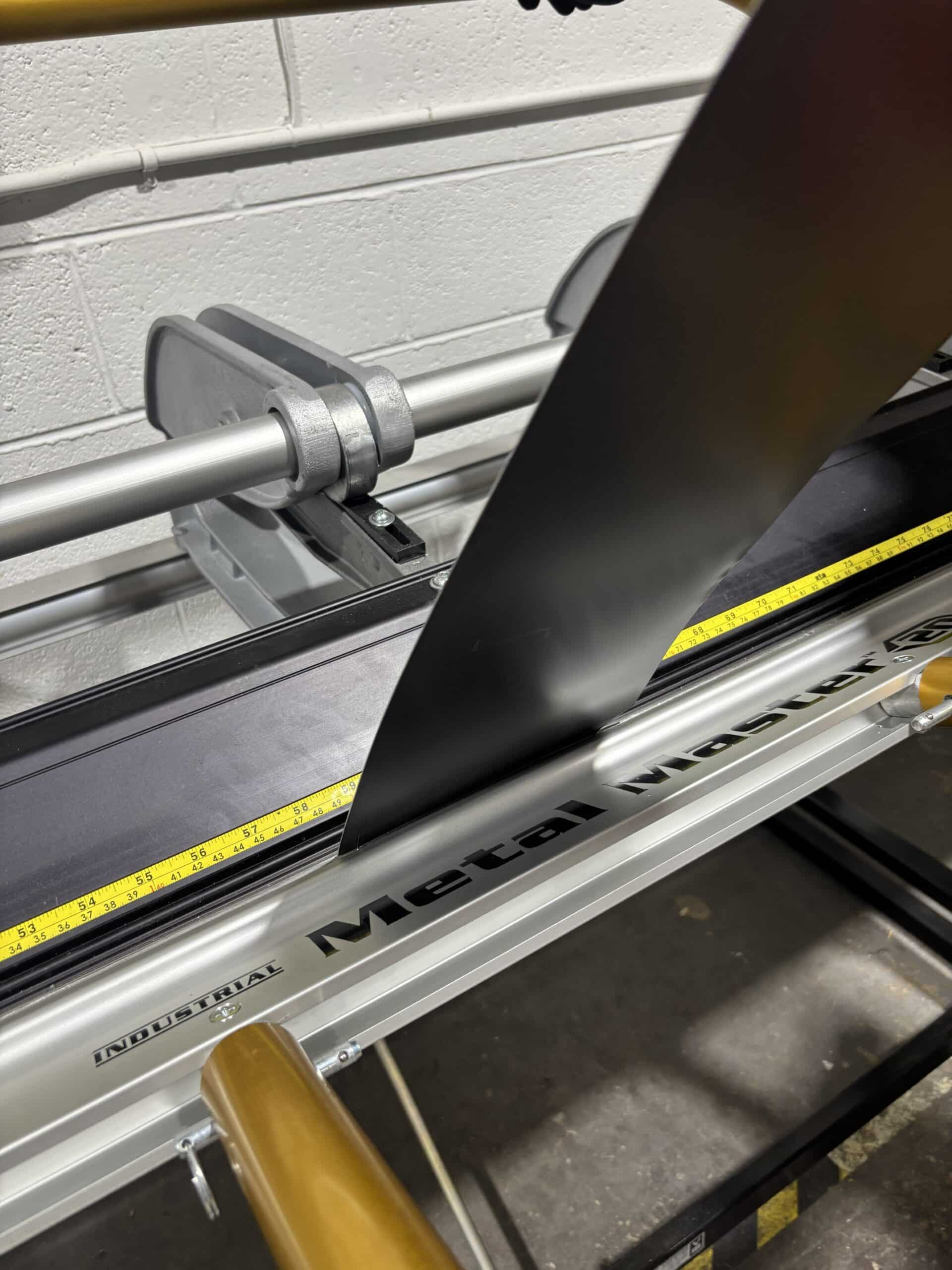
Once the radius relief cuts are complete, the edge can be formed using a roll bender.
The roll bender creates a clean, consistent edge while allowing the metal to follow the curve.
What to Watch For:
- Maintain consistent pressure.
- Avoid over-rolling the bend too quickly or unevenly on curves


Step 4: Install & Connect Multiple Sections
With the hems formed, individual sections can be connected to create a continuous fascia around the radius.
Check each joint for:
- Proper engagement
- Consistent reveal
- Smooth transitions between sections


The completed radius fascia follows the curve cleanly while maintaining professional-looking seams and consistent edge details.
Key Takeaways
- Segmenting the fascia makes complex curves manageable.
- Radius cuts allow the metal to conform smoothly.
- A roll bender creates a clean formed edge.
- Brake-formed hems provide strong, professional connections between sections.
- Careful fitting throughout the process produces the best final appearance.
With practice, this method can be adapted to a wide range of curved fascia applications.
About Us
John Stortz & Son, Inc. was founded in 1853 by the original John Stortz in Philadelphia. Currently headed by Tom, Jeff, and Sam, along with their dad and uncle; Stortz Tools continues to serve the tool industry quality specialty hand tools after over 170 years.
Related Posts


Follow us on instagram
#STORTZTOOLS

