

No products in the cart.

[et_pb_section fb_built=”1″ _builder_version=”3.22.3″][et_pb_row _builder_version=”3.25″ column_structure=”1_2,1_2″][et_pb_column type=”1_2″ _builder_version=”3.25″ custom_padding=”|||” custom_padding__hover=”|||”][et_pb_text admin_label=”Notching” _builder_version=”3.27.4″ text_font=”|800|||||||” text_text_color=”#e02b20″ text_font_size=”28px”]
Notching Panels
[/et_pb_text][/et_pb_column][et_pb_column type=”1_2″ _builder_version=”3.25″ custom_padding=”|||” custom_padding__hover=”|||”][et_pb_text admin_label=”Hemming ” _builder_version=”3.27.4″ text_font=”|800|||||||” text_text_color=”#e02b20″ text_font_size=”28px”]
Hemming Panels
[/et_pb_text][/et_pb_column][/et_pb_row][et_pb_row _builder_version=”3.25″ column_structure=”1_2,1_2″][et_pb_column type=”1_2″ _builder_version=”3.25″ custom_padding=”|||” custom_padding__hover=”|||”][et_pb_text admin_label=”Notching text” _builder_version=”3.27.4″ text_font=”||||||||” text_font_size=”18px”]Notching the seams/ribs off is required when preparing standing seam panels for installation. Depending on the seam type and metal thickness, notching can be simple or rather difficult.
[/et_pb_text][et_pb_image src=”https://www.stortz.com/wp-content/uploads/2015/03/DSC_1453.jpg” align_tablet=”center” align_last_edited=”on|desktop” _builder_version=”3.23″][/et_pb_image][/et_pb_column][et_pb_column type=”1_2″ _builder_version=”3.25″ custom_padding=”|||” custom_padding__hover=”|||”][et_pb_text admin_label=”Hemming text” _builder_version=”3.27.4″ text_font=”||||||||” text_font_size=”18px”]After the panels are notched appropriately, the overhanging material is to be hemmed so that it can be secured around the drip edge.
[/et_pb_text][et_pb_image src=”https://www.stortz.com/wp-content/uploads/2019/05/malcodefttool.jpg” align_tablet=”center” align_last_edited=”on|desktop” _builder_version=”3.23″][/et_pb_image][/et_pb_column][/et_pb_row][et_pb_row _builder_version=”3.25″ custom_margin=”5px||”][et_pb_column type=”4_4″ _builder_version=”3.25″ custom_padding=”|||” custom_padding__hover=”|||”][et_pb_text admin_label=”Notching – Title” _builder_version=”3.27.4″ text_font=”|800|||||||” text_text_color=”#e02b20″ text_font_size=”28px” link_font=”||||||||” ul_font=”||||||||” ol_font=”||||||||” quote_font=”||||||||” text_orientation=”center”]
Notching
[/et_pb_text][et_pb_text _builder_version=”3.27.4″ text_font=”||||||||” text_font_size=”18px”]Notching is a repetitive task that is time consuming on a job site. Since seam profiles vary greatly, there is not a “1 size fits all” solution for notching. We recommend a solid pair of cutting snips/shears and a nibbler tool to notch the seams. Watch Mark from Natural Metal Associates notch Rheinzink panels below.
[/et_pb_text][et_pb_video src=”https://www.youtube.com/watch?v=DgrJIvEVQdw” _builder_version=”4.0.4″ width=”80%” module_alignment=”center” hover_enabled=”0″][/et_pb_video][et_pb_text _builder_version=”3.27.4″]
-

Stortz 45° Sheet Metal Seaming Pliers – Lap Joint
Price range: $70.00 through $120.00 Select options This product has multiple variants. The options may be chosen on the product page - Sale!
Stubai Premium Tin Snip Set
Original price was: $205.00.$190.00Current price is: $190.00. Add to cart -
MASC 1″ Sheet Metal Notching Nibbler
$145.00 Add to cart


[/et_pb_text][/et_pb_column][/et_pb_row][et_pb_row _builder_version=”3.25″][et_pb_column type=”4_4″ _builder_version=”3.25″ custom_padding=”|||” custom_padding__hover=”|||”][et_pb_text admin_label=”Hemming – Title” _builder_version=”3.27.4″ text_font=”|800|||||||” text_text_color=”#e02b20″ text_font_size=”28px” link_font=”||||||||” ul_font=”||||||||” ol_font=”||||||||” quote_font=”||||||||” text_orientation=”center”]Hemming Panels
[/et_pb_text][et_pb_text _builder_version=”3.27.4″ text_font=”||||||||” text_font_size=”18px”]
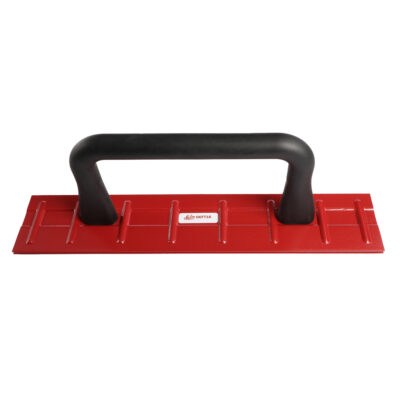
In general, it is standard practice to hem the last 1″ of the standing seam panel and lock it to the drip edge. Hemming the panel is a way of concealing the exposed (and sharp) end of the roofing panel. Hemming can be done with very simple tools, such as a bar folding tool, or more versatile and precise tools, like roll benders. See below for the variety of hemming solutions that we offer at Stortz Tools.
[/et_pb_text][et_pb_text admin_label=”HEMMING PRODUCTS” _builder_version=”3.27.4″]
-
ESE Standing Seam Drip Edge Bender – 12″, 16″, 18″ & 20″
$90.00 Select options This product has multiple variants. The options may be chosen on the product page - Sale!
Stortz XL-150 Sheet Metal Edge Bender for Copper, Steel & Aluminum
Original price was: $775.00.$725.00Current price is: $725.00. Add to cart -
Malco Drip Edge Folding Tool
Price range: $75.00 through $95.00 Select options This product has multiple variants. The options may be chosen on the product page -
Malco Sheet Metal Folding Tool – 12″, 18″ & 24″
Price range: $22.00 through $40.00 Select options This product has multiple variants. The options may be chosen on the product page



[/et_pb_text][/et_pb_column][/et_pb_row][et_pb_row _builder_version=”3.25″ column_structure=”1_2,1_2″][et_pb_column type=”1_2″ _builder_version=”3.25″ custom_padding=”|||” custom_padding__hover=”|||”][et_pb_text _builder_version=”4.0.4″ text_font=”||||||||” text_font_size=”18px” hover_enabled=”0″]
This RAU106 Eaves Locking Tool will pay for itself time and time again
Once the panel edge is prepped and hemmed, the panel is slid into place. To achieve a complete and finished look to the panel, the hemmed portion is squeezed, or locked onto the drip edge. The Eaves Seam Locker is the quick and professional way to finish your panel.
[/et_pb_text][/et_pb_column][et_pb_column type=”1_2″ _builder_version=”3.25″ custom_padding=”|||” custom_padding__hover=”|||”][et_pb_video src=”https://www.youtube.com/watch?v=Ibq674fCNkQ” _builder_version=”4.0.4″ hover_enabled=”0″][/et_pb_video][/et_pb_column][/et_pb_row][et_pb_row _builder_version=”4.0.4″ background_size=”initial” background_position=”top_left” background_repeat=”repeat” hover_enabled=”0″][et_pb_column type=”4_4″ _builder_version=”3.25″ custom_padding=”|||” custom_padding__hover=”|||”][et_pb_video src=”https://www.youtube.com/watch?v=RVDCQLPS-i8″ _builder_version=”4.0.4″ hover_enabled=”0″][/et_pb_video][et_pb_text _builder_version=”3.27.4″ text_font=”||||||||” text_font_size=”18px”]
In this video, Craig Hardin of Hardin Exteriors & Roofing is showing his technique for prepping a panel that will than be installed at the eaves edge. Please note that this is an alternative method for finishing the panel.
[/et_pb_text][/et_pb_column][/et_pb_row][/et_pb_section]
About Us
John Stortz & Son, Inc. was founded in 1853 by the original John Stortz in Philadelphia. Currently headed by Tom, Jeff, and Sam, along with their dad and uncle; Stortz Tools continues to serve the tool industry quality specialty hand tools after over 170 years.
Related Posts


Follow us on instagram
#STORTZTOOLS

